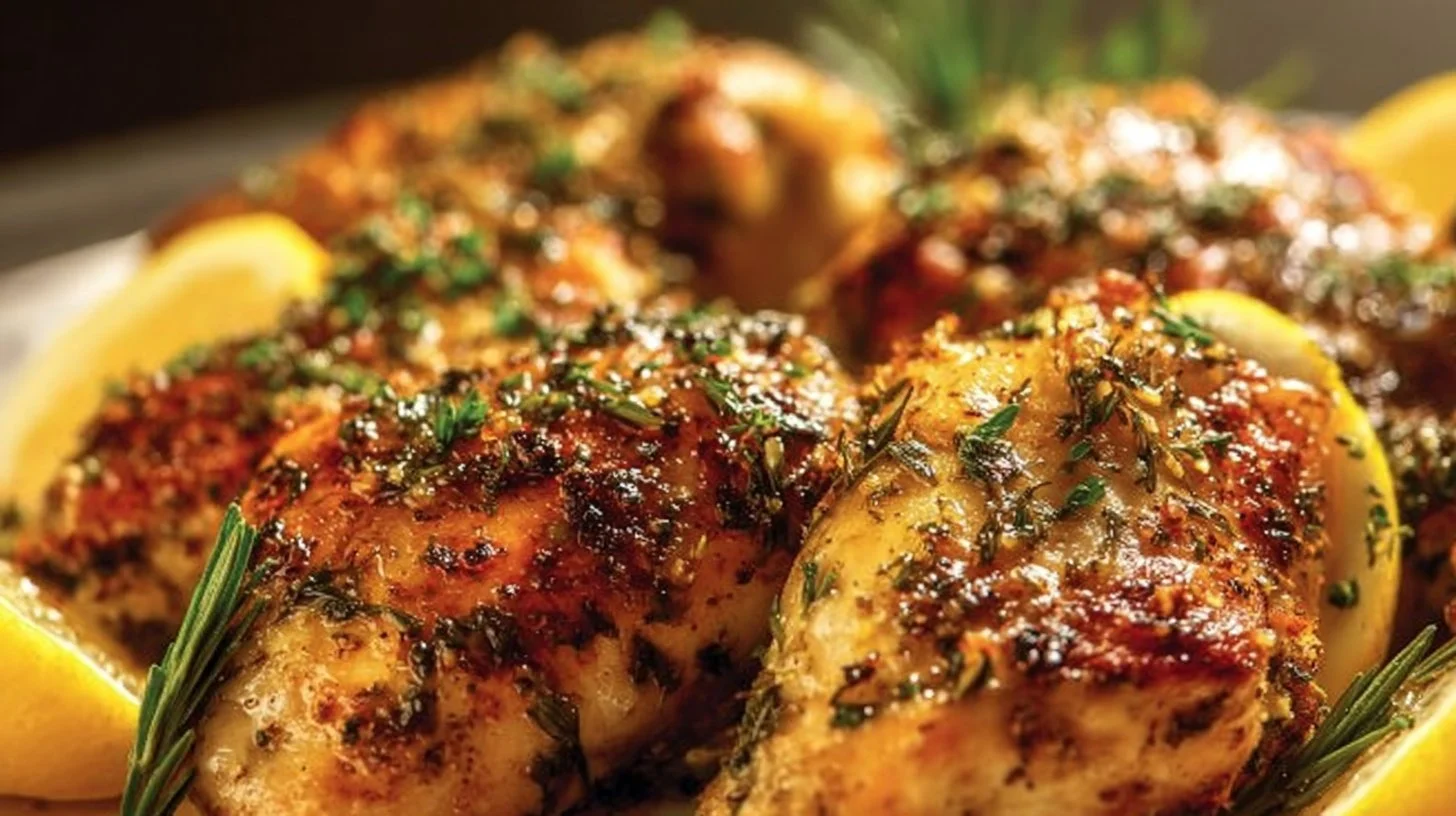
Growing up, my mom pan-seared chicken breasts at least once a week. She’d get them beautifully golden on the outside while keeping them incredibly juicy inside—all in less than 30 minutes on the stovetop. For years I thought it was some kind of magic, but it turns out the technique is beautifully simple: sear over high heat for gorgeous color, then turn down the heat to finish cooking through. Today I’m sharing her method with a few upgrades—an epic homemade chicken seasoning and tips for getting that perfect golden crust every single time.
This pan-fried chicken breast has become one of my go-to weeknight dinners because it’s so incredibly versatile. The high-protein, straightforward cooking method means you can have restaurant-quality chicken on your table faster than you could order takeout. Whether you’re meal prepping for the week, building taco bowls, or just need a reliable protein to pair with vegetables, this recipe delivers juicy perfection with minimal fuss.
Why You’ll Love This Recipe
Lightning-fast cooking: Ready in less than 30 minutes from start to finish, with only about 10 minutes of hands-on time. This is weeknight cooking at its finest—no marinating, no complicated steps, just quick and delicious results.
Perfectly juicy every time: The high-heat sear locks in moisture while creating that gorgeous golden-brown crust. The inside stays tender and juicy rather than dry and disappointing like so many chicken breast recipes.
Minimal ingredients: You only need chicken breasts, butter (or oil), and a simple spice blend. No long ingredient lists or specialty items required—just pantry staples that create maximum flavor.
Incredibly versatile: Use this chicken in tacos, salads, soups, grain bowls, sandwiches, or simply serve it alongside vegetables. It’s the Swiss Army knife of protein recipes.
Customizable seasoning: The homemade chicken seasoning is fantastic, but you can easily swap in whatever flavors you’re craving—Italian herbs, ranch seasoning, everything bagel, or just salt and pepper.
Budget-friendly: Chicken breasts are affordable and widely available, making this an economical way to feed your family high-quality protein without breaking the bank.
“This turned out AMAZING! Searing with the butter made it so so juicy and perfect! Will be saving!” — Ky, home cook
How This Recipe Comes Together
The magic of pan-seared chicken lies in understanding heat management and preparation. You’ll start by pounding your chicken breasts to an even thickness—about 1 to 1.5 inches throughout. This crucial step ensures uniform cooking so you don’t end up with dry edges while waiting for thick centers to finish. It also tenderizes the meat, breaking down tough muscle fibers for more tender results.
Next comes the seasoning. A homemade blend featuring garlic powder, chili powder, cumin, thyme, ground mustard, basil, pepper, red pepper flakes, salt, paprika, and a touch of brown sugar creates layers of savory flavor with just a hint of warmth. You’ll coat both sides of the pounded chicken generously—this is where the flavor lives.
The cooking technique follows a strategic two-stage process. First, you’ll sear the seasoned chicken in melted butter over medium-high to high heat for 2-3 minutes per side. This initial blast of heat creates that gorgeous golden-brown crust through the Maillard reaction—those caramelized, flavorful browned bits that make restaurant chicken taste so good.
After flipping, you’ll reduce the heat to medium and optionally cover the pan. This gentler heat allows the interior to cook through to a safe 160°F (it will rise to 165°F as it rests) without overcooking the exterior. The covered pan traps steam, further ensuring moisture retention.
Finally, a 5-minute rest off heat allows the juices to redistribute throughout the meat rather than running out onto your cutting board. The result is chicken that’s beautifully caramelized outside, perfectly cooked inside, and genuinely juicy in every bite.
What You’ll Need
For the chicken seasoning:
- 1 teaspoon garlic powder
- ½ teaspoon chili powder
- ½ teaspoon cumin
- ½ teaspoon dried thyme
- ½ teaspoon ground mustard
- ½ teaspoon dried basil
- ¼ teaspoon ground black pepper
- ¼ teaspoon red pepper flakes
- ¼ teaspoon sea salt
- ¼ teaspoon paprika
- ½ teaspoon brown sugar
For the pan-seared chicken:
- 1.5 lbs boneless, skinless chicken breast (3-4 breasts)
- 2-3 tablespoons butter (about 1 tablespoon per breast)
Ingredient notes: This recipe makes about 1.5 tablespoons of seasoning, which is the perfect amount for 1.5 lbs of chicken. You can substitute olive oil or avocado oil for the butter—between the two, avocado oil is preferred for its higher smoke point. For easier prep, you can use about 1.5 tablespoons of store-bought all-purpose chicken seasoning instead of making your own. Other great seasoning options include Italian seasoning, everything bagel seasoning, ranch seasoning, or simply salt and pepper.
Step-by-Step Instructions
Step 1: Prepare the seasoning
Place all seasoning ingredients (garlic powder, chili powder, cumin, thyme, ground mustard, basil, pepper, red pepper flakes, salt, paprika, and brown sugar) into a small bowl. Mix thoroughly to combine and set aside.
Step 2: Tenderize the chicken
Place chicken breasts on a cutting board and cover with parchment paper or plastic wrap. Using a meat tenderizer, rolling pin, or even the bottom of a heavy pan, pound the chicken until it’s about 1 to 1.5 inches thick throughout. The more you pound, the faster it will cook, so aim for even thickness rather than extreme thinness.
Step 3: Season generously
Season both sides of each chicken breast generously with the prepared chicken seasoning. Don’t be shy—you want good coverage for maximum flavor. Press the seasoning into the meat slightly with your fingers to help it adhere.
Step 4: Start the sear
Heat ½ tablespoon of butter in a nonstick pan over medium-high heat. Once the butter has melted and starts to foam, carefully transfer the seasoned chicken breasts to the pan. Sear without moving for 2-3 minutes, or until the bottom is golden brown and releases easily from the pan.
Step 5: Flip and finish cooking
Flip the chicken breasts to the second side. Optionally add another ½ tablespoon of butter to the pan for extra richness. Cover the pan with a lid, reduce heat to medium, and cook for about 6 minutes or until the chicken reaches an internal temperature of 160°F. The temperature will rise to 165°F as it rests.
Step 6: Rest before serving
Remove the chicken from the heat and transfer to a plate or cutting board. Let it rest for about 5 minutes—this allows the juices to redistribute throughout the meat, ensuring every bite is moist and tender. The internal temperature will continue rising about 5°F during this time, reaching the safe 165°F.
Step 7: Slice and serve
After resting, slice the chicken against the grain if desired, or serve whole. The exterior should be beautifully golden brown while the interior remains juicy and tender.
Cooking notes: A nonstick pan is recommended because chicken breast is so lean, but a well-seasoned cast iron skillet also works beautifully. Always use a meat thermometer to verify doneness—it removes all guesswork and prevents both under and overcooking.
Best Ways to Enjoy It
Simply with vegetables: Keep things straightforward by serving this pan-seared chicken alongside your favorite vegetables. Roasted red potatoes, crispy sweet potato fries, or roasted asparagus make excellent companions that let the chicken’s flavor shine.
In tacos: Taco night just got easier! Slice or shred this chicken for walking tacos, traditional tacos, or follow any salsa chicken taco recipe using this stovetop chicken as the base.
Added to soups: Use two forks to shred the chicken, then stir it into minestrone, black bean soup, simple green chili, or chicken quinoa soup for hearty, protein-packed comfort food.
Over salads: Whether you’re making classic chicken salad, quinoa salad, or Mexican street corn salad, diced or shredded pan-seared chicken adds satisfying protein and flavor.
In grain bowls: Slice and add to Mediterranean Buddha bowls, harvest grain bowls, or taco bowls for complete, balanced meals that work for lunch or dinner.
Sandwiches and wraps: Slice this chicken for incredible sandwiches on your favorite bread, or wrap it up with vegetables and sauce in a tortilla for easy handheld meals.
Meal prep friendly: Cook a batch on Sunday and portion into containers with rice, quinoa, or pasta plus vegetables for grab-and-go lunches throughout the week.
Dressed up simply: Sometimes the best approach is the simplest—plate the chicken whole or sliced, add a squeeze of fresh lemon juice, and garnish with fresh herbs. Serve with a side salad and you’ve got an elegant, effortless dinner.
Storage and Reheating Tips
Refrigerator storage: Allow the cooked chicken to cool completely, then transfer to an airtight container. Store in the refrigerator for 3-5 days. The chicken stays remarkably juicy even as leftovers.
Reheating from refrigerated: Place chicken on a microwave-safe plate and microwave on high for 60-90 seconds, or until heated through. For better texture, reheat gently in a skillet over medium-low heat with a splash of water or broth to prevent drying.
Freezer storage: This chicken freezes beautifully for up to 3 months. Let the chicken cool completely first. Transfer cooked chicken breasts to a freezer-safe gallon-size bag, remove as much air as possible, seal tightly, and freeze flat for efficient storage.
Reheating from frozen: Thaw chicken in the refrigerator overnight for food safety. Once thawed, place on a microwave-safe plate and microwave on high for 60-90 seconds until heated through.
Food safety reminder: Never leave cooked chicken at room temperature for more than 2 hours. Always refrigerate promptly to prevent bacterial growth.
Using cold chicken: Many applications don’t require reheating—cold or room-temperature sliced chicken is perfect for salads, sandwiches, and wraps. The flavorful seasoning tastes great whether the chicken is hot or cold.
Pro Tips for Success
Always tenderize for even cooking: This is the single most important step. Chicken breasts vary wildly in thickness—some parts might be 2.5 inches thick while others are barely 1 inch. Pounding creates uniform thickness so everything cooks at the same rate.
Don’t skip the high-heat sear: That initial 2-3 minutes over medium-high to high heat is crucial for developing the golden-brown crust. Lower heat won’t create the same caramelization and flavor.
Use a meat thermometer: This is non-negotiable for perfect results. Pull the chicken at 160°F—it will coast up to 165°F during resting. Overcooking even slightly makes chicken breasts dry and tough.
Butter vs. oil considerations: Butter provides incredible flavor and helps achieve golden-brown color, but it can burn at very high heat. If your pan gets too hot, use avocado oil instead—it has a much higher smoke point than olive oil or butter.
Choose the right pan: A nonstick pan is ideal for lean chicken breast because nothing sticks. Cast iron works well too but requires proper seasoning and a bit more fat to prevent sticking.
Let it rest—seriously: Those 5 minutes of resting time aren’t optional. Cut into the chicken immediately and you’ll watch all those precious juices run out onto your cutting board instead of staying in the meat.
Don’t crowd the pan: If cooking multiple chicken breasts, leave space between them. Crowding lowers the pan temperature and creates steam instead of a sear, resulting in pale, less flavorful chicken.
Season generously: Chicken breast is mild, so it needs adequate seasoning. Don’t be timid with your spice blend—you want good coverage on both sides for flavor in every bite.
Creative Twists and Variations
Different seasoning profiles: While the homemade blend is fantastic, feel free to experiment. Try Italian seasoning for Mediterranean vibes, ranch seasoning for creamy herby flavor, everything bagel seasoning for savory-oniony notes, or Cajun seasoning for spicy Southern flair.
Herb-crusted version: Press fresh chopped herbs (parsley, thyme, rosemary) into the seasoned chicken before searing for bright, aromatic flavor.
Lemon pepper twist: Add lemon zest and extra black pepper to your seasoning blend, then finish the cooked chicken with a squeeze of fresh lemon juice.
Garlic butter enhancement: After cooking, top the resting chicken with a pat of garlic herb butter that melts into a simple pan sauce.
Pesto-topped: As one reviewer discovered, topping this chicken with a spoonful of pesto creates an Italian-inspired dish that’s absolutely divine.
Spicy kick: Increase the red pepper flakes or add cayenne to the seasoning blend for more heat. Serve with cooling sour cream or Greek yogurt to balance the spice.
Asian-inspired: Replace the seasoning with a mix of five-spice powder, ginger, and garlic. Finish with a drizzle of soy sauce and sesame seeds.
Mexican flavors: Use cumin, chili powder, and paprika as your base seasonings, then top with fresh salsa, avocado, and cilantro.
For meal variety: Cook a plain batch with just salt and pepper, then add different sauces throughout the week—buffalo sauce, teriyaki, BBQ, honey mustard—for completely different flavors from the same base.
Your Questions Answered
Should I use butter or oil for pan-searing chicken?
Butter provides incredible flavor and helps achieve that beautiful golden-brown color, making it the preferred choice. However, olive oil or avocado oil work well too. Between the two oils, avocado oil is recommended because of its higher smoke point (around 520°F vs olive oil’s 350-410°F), which means it won’t burn at the high heat needed for proper searing.
Do I really need to tenderize the chicken first?
Yes, highly recommended! Chicken breasts vary dramatically in thickness—tenderizing ensures even cooking so you don’t have dry, overcooked thin sections while waiting for thick parts to finish. It also physically breaks down muscle fibers, making the meat more tender. This step makes the difference between good chicken and great chicken.
How do I know when the chicken is done?
The most reliable method is using a meat thermometer inserted into the thickest part of the chicken. Remove from heat at 160°F—the temperature will rise to the safe 165°F as it rests. Visual cues include: golden brown exterior, clear (not pink) juices when pierced, and firm (not jiggly) texture.
Can I make this without the homemade seasoning blend?
Absolutely! You can use about 1.5 tablespoons of any store-bought chicken seasoning, all-purpose seasoning, Italian seasoning, ranch seasoning, or even just salt and pepper. The homemade blend is delicious but the technique works with any seasoning you prefer.
Why is my chicken tough instead of juicy?
Tough chicken usually means it was overcooked. Chicken breast is very lean, so it becomes tough and dry quickly once it passes 165°F. Use a meat thermometer to catch it at 160°F, then let it rest to coast up to 165°F. Also ensure you’re pounding to even thickness—uneven chicken means some parts overcook while others reach temperature.
Can I use chicken thighs instead of breasts?
Yes! Boneless, skinless chicken thighs work wonderfully with this method and are actually more forgiving because they have more fat. They may need slightly longer cooking time. Pound them to even thickness and cook until they reach 165°F internal temperature.
What if I don’t have a meat tenderizer?
Use a rolling pin, the bottom of a heavy pan, or even your fist (cover the chicken with parchment or plastic wrap first). The goal is to create even thickness, so any heavy object that can flatten the chicken will work.
Can I cook this in a cast iron skillet?
Yes! Cast iron holds heat beautifully and creates excellent sears. Just make sure it’s well-seasoned and use enough butter or oil to prevent sticking. Cast iron retains heat longer, so you may need to adjust your heat down slightly to avoid burning.
How do I prevent the butter from burning?
If your butter starts to burn (you’ll see black specks and smell a burnt odor), your heat is too high. Reduce to medium-high rather than high, or switch to avocado oil which has a higher smoke point. You can also use a combination—sear in oil, then add butter at the end for flavor.
This Juicy Pan Seared Chicken Breast recipe proves that sometimes the simplest methods produce the best results. With just butter, seasoning, and proper technique, you’ll create restaurant-quality chicken that’s golden and crispy outside, tender and juicy inside—all in less than 30 minutes. Whether you’re an experienced home cook or just learning your way around the kitchen, this foolproof method delivers reliable, delicious results every single time. Make it once, and it’ll become your go-to chicken recipe for everything from quick weeknight dinners to meal prep sessions to impressive but effortless entertaining.
Print
Juicy Pan Seared Chicken Breast
- Total Time: 25 minutes
- Yield: 4 servings
- Diet: Paleo
Description
A quick and easy method to achieve perfectly pan-seared chicken breasts that are golden brown and juicy inside, ready in under 30 minutes.
Ingredients
- 1.5 lbs boneless, skinless chicken breasts (3-4 breasts)
- 2-3 tablespoons butter (about 1 tablespoon per breast)
- 1 teaspoon garlic powder
- ½ teaspoon chili powder
- ½ teaspoon cumin
- ½ teaspoon dried thyme
- ½ teaspoon ground mustard
- ½ teaspoon dried basil
- ¼ teaspoon ground black pepper
- ¼ teaspoon red pepper flakes
- ¼ teaspoon sea salt
- ¼ teaspoon paprika
- ½ teaspoon brown sugar
Instructions
- Prepare the seasoning: Mix all seasoning ingredients in a bowl and set aside.
- Tenderize the chicken: Pound chicken breasts to an even thickness of about 1 to 1.5 inches.
- Season the chicken: Generously coat both sides of each chicken breast with the prepared seasoning.
- Start the sear: Heat ½ tablespoon of butter in a nonstick pan over medium-high heat, then add chicken breasts and sear for 2-3 minutes until golden brown.
- Flip and finish cooking: Flip the chicken, optionally add more butter, cover the pan, reduce heat to medium, and cook for 6 minutes until internal temperature reaches 160°F.
- Rest before serving: Remove chicken from the heat, let it rest for 5 minutes, then slice and serve.
Notes
Use a meat thermometer to ensure chicken is cooked perfectly. Allowing the chicken to rest is crucial for juicy results.
- Prep Time: 10 minutes
- Cook Time: 15 minutes
- Category: Main Course
- Method: Pan-Searing
- Cuisine: American