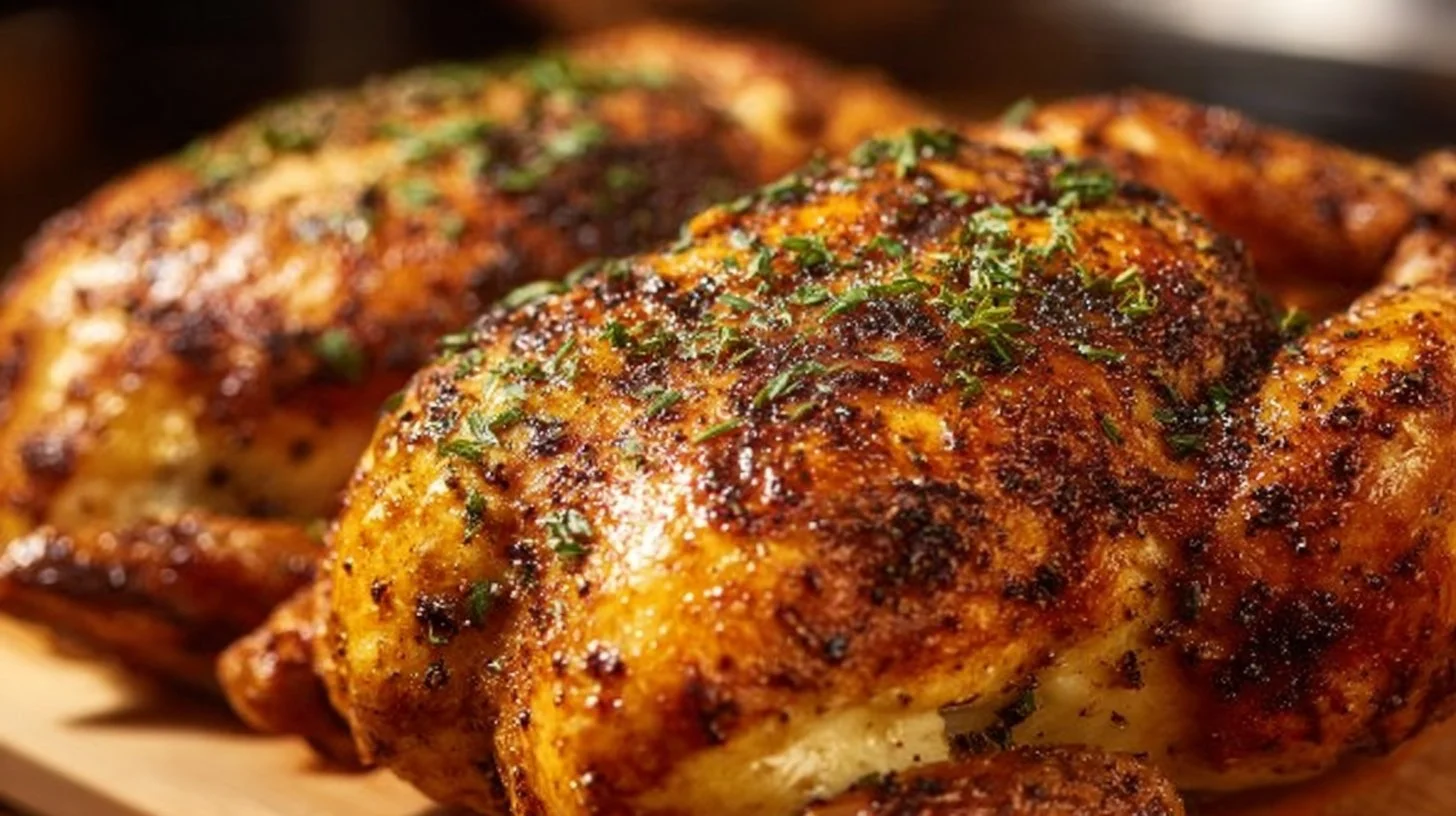
There’s something deeply satisfying about making your own rotisserie chicken at home. The aroma that fills your kitchen as it cooks, the golden, crispy skin that crackles when you carve it, and the juicy, flavorful meat that rivals anything you’d buy at the store—it’s all within reach with this simple recipe. Whether you’re cooking it on a rotisserie spit, roasting it in the oven, or using an air fryer, homemade rotisserie chicken is easier than you think and delivers that same smoky, savory flavor you love.
Why You’ll Love This Recipe
Making rotisserie chicken at home gives you complete control over the seasonings and quality of the bird, and it costs significantly less than buying one from the store. A whole chicken feeds a family of four with plenty of leftovers for soups, salads, and sandwiches throughout the week. The simple seasoning blend creates crispy, flavorful skin while keeping the meat incredibly juicy. Plus, you can save the bones to make homemade chicken stock, stretching your grocery budget even further. This recipe works beautifully for Sunday meal prep, weeknight dinners, or anytime you want a versatile protein that everyone will enjoy.
“I was going to do this on the grill, but a pop-up thunderstorm forced me to cook indoors. The chicken turned out amazing! Flavorful and juicy. This is my new go-to recipe for oven-roasted chicken.”
How This Recipe Comes Together
The process starts with preparing your chicken by patting the skin completely dry—this is the secret to achieving that coveted crispy exterior. You’ll then rub the bird with oil to help the seasonings stick and create an even golden color. A simple spice blend of paprika, smoked paprika, garlic powder, onion powder, salt, and pepper gets rubbed generously all over the chicken. After tucking the wings behind the bird and tying the legs together with kitchen twine for even cooking, you’re ready to cook. Whether you’re using a rotisserie, oven, or air fryer, the chicken cooks until it reaches a safe internal temperature of 165°F, then rests to allow the juices to redistribute throughout the meat.
What You’ll Need
For the Chicken:
- 1 small whole chicken (about 3.5 to 4 pounds) with skin intact
- 1 tablespoon olive oil (or cooking spray, or melted bacon grease for smoky flavor)
For the Seasoning:
- 1/2 teaspoon paprika
- 1/4 teaspoon smoked paprika
- 1/2 teaspoon garlic powder
- 1/2 teaspoon onion powder
- 1 teaspoon salt (more or less to taste)
- 1/2 teaspoon black pepper (more or less to taste)
Equipment:
- Kitchen twine
- Instant-read thermometer
- Rotisserie spit (for rotisserie method), cast iron skillet (for oven method), or air fryer
- Paper towels
Substitution Notes:
- Use any oil you prefer, or spray with cooking spray
- Swap the homemade seasoning blend for store-bought rotisserie seasoning, seasoned salt, or your favorite chicken rub
- For extra flavor, add herbs like thyme, rosemary, or oregano to the seasoning mix
Step-by-Step Instructions
Preparing the Chicken:
- In a small bowl, combine the paprika, smoked paprika, garlic powder, onion powder, salt, and pepper. Mix thoroughly and set aside.
- Remove the chicken from its packaging and check that the cavity is empty. Remove any giblets if present.
- Pat the entire chicken dry with paper towels, paying special attention to the skin. Dry skin is essential for achieving crispiness.
- Rub the outside of the chicken all over with olive oil, making sure to coat the breast, legs, thighs, and back.
- Sprinkle the seasoning mixture generously over the entire chicken, rubbing it into the skin to ensure even coverage.
- Gently fold the wing tips behind the chicken’s back, tucking them in to prevent burning.
- Using kitchen twine, tie the legs together to help the chicken cook evenly and maintain its shape.
To Cook on a Rotisserie:
- Center the seasoned chicken on a rotisserie spit according to your equipment’s directions, ensuring it’s balanced.
- If using a grill rotisserie, preheat to medium heat (350°F). Electric rotisserie machines typically don’t require preheating.
- Cook the chicken for 18 to 22 minutes per pound. A 3.5-pound chicken will take 60 to 80 minutes total.
- Use an instant-read thermometer to check that the thickest part of the thigh reaches 165°F.
- Once the chicken reaches the proper temperature, turn off the heat and allow it to continue rotating for 15 minutes without heat to rest.
- Carefully remove the chicken from the rotisserie spit and transfer to a cutting board.
To Roast in the Oven:
- Preheat your oven to 450°F.
- Place the prepared chicken breast-side up in a cast iron skillet or small roasting dish.
- Roast at 450°F for 12 minutes to jumpstart the browning process.
- Reduce the oven temperature to 350°F and continue cooking for an additional 60 to 70 minutes.
- Check the internal temperature with a meat thermometer. The chicken is done when it reaches 165°F in the thickest part of the thigh.
- Remove from the oven and let rest for 15 minutes before carving.
To Cook in an Air Fryer:
Follow the seasoning instructions above, then cook according to your air fryer’s whole chicken recipe, ensuring the chicken fits comfortably in your air fryer basket.
Best Ways to Enjoy It
Rotisserie chicken is incredibly versatile and can anchor countless meals. Serve it straight from the rotisserie or oven as the centerpiece of a classic Sunday dinner alongside roasted vegetables, mashed potatoes, and a fresh garden salad. Carve it at the table for a beautiful presentation, or shred the meat for tacos, quesadillas, enchiladas, and pasta dishes. The leftovers transform into chicken salad sandwiches, hearty chicken soup, chicken fajitas, or a warming chicken stew. Don’t forget to save the carcass—simmer it with vegetables and herbs to make rich, homemade chicken stock that’s far superior to anything from a box.
Storage and Reheating Tips
Refrigerator Storage: Remove the meat from the bones and store it in an airtight container in the refrigerator for up to 4 days. Keeping the meat separate from the bones prevents it from drying out.
Freezing: Freeze cooked chicken meat in freezer-safe containers or bags for up to 3 to 4 months. Portion it into meal-sized amounts before freezing so you can thaw only what you need.
Reheating: Reheat chicken gently in the microwave, covered with a damp paper towel to retain moisture. You can also warm it in a 350°F oven for 10 to 15 minutes, or add it directly to soups and casseroles where it will heat through during cooking.
Using the Bones: Save the bones and any leftover skin to make homemade chicken stock. Place them in a large pot with vegetables, herbs, and water, then simmer for several hours for rich, flavorful stock.
Food Safety: Always refrigerate leftover chicken within 2 hours of cooking. When reheating, ensure the internal temperature reaches 165°F.
Pro Chef Tips
- Dry the skin thoroughly: This is the single most important step for crispy skin. Use plenty of paper towels and be patient—moisture is the enemy of crispiness.
- Let it rest: Allowing the chicken to rest for 10 to 15 minutes after cooking lets the juices redistribute throughout the meat, making every bite more tender and flavorful.
- Use an instant-read thermometer: Cooking times vary based on oven calibration, chicken size, and cooking method. A thermometer ensures perfectly cooked chicken every time.
- Tie the legs: This isn’t just for looks—tying the legs helps the chicken cook more evenly by keeping the thighs closer to the body.
- Mix seasoning ahead: Prepare a larger batch of the seasoning blend and store it in a jar for quick seasoning on busy nights.
- Check multiple spots: When testing temperature, check both thighs and the thickest part of the breast to ensure the entire bird is cooked through.
- Save the drippings: If roasting in a pan, save the drippings to make gravy or use them to add flavor to rice, vegetables, or stuffing.
Creative Twists
Herb-Roasted Version: Add 1 tablespoon of dried herbs like thyme, rosemary, and sage to the seasoning blend. You can also stuff the cavity with fresh herb sprigs, lemon quarters, and garlic cloves for aromatic flavor.
Spicy Cajun Chicken: Replace the seasoning blend with Cajun seasoning or add cayenne pepper and extra paprika for a spicy, Louisiana-inspired bird.
Lemon Pepper Rotisserie: Use lemon pepper seasoning as your main spice and add fresh lemon slices under the skin and in the cavity for bright, citrusy flavor.
Asian-Inspired: Season with a mixture of five-spice powder, ginger, garlic powder, and a touch of sesame oil for an Asian twist.
BBQ Rotisserie Chicken: Brush the chicken with your favorite BBQ sauce during the last 15 minutes of cooking for a sticky, sweet glaze.
Mediterranean Style: Season with oregano, basil, garlic, and lemon zest, then serve with tzatziki sauce and a Greek salad.
Your Questions Answered
What size chicken should I use? A 3.5 to 4-pound chicken is ideal for most cooking methods and feeds about 4 people. Larger birds take longer to cook, so adjust your cooking time to 18 to 22 minutes per pound and always check the internal temperature.
Do I need a rotisserie to make this recipe? No! While a rotisserie creates that classic rotating effect and even browning, you can achieve excellent results in a regular oven or air fryer using the instructions provided.
How do I know when the chicken is done? The chicken is safely cooked when the internal temperature reaches 165°F in the thickest part of the thigh. Use an instant-read thermometer for accuracy.
Can I cook more than one chicken at a time? Yes, you can cook multiple chickens as long as they don’t touch each other and your equipment can accommodate them. Cooking time remains the same—cook based on the weight of each individual bird.
Should I cover the chicken while it cooks in the oven? No, cook the chicken uncovered so the skin can crisp up properly. Covering it will steam the chicken and prevent the skin from browning.
What can I do with leftover rotisserie chicken? Use it in chicken salad, soups, casseroles, tacos, quesadillas, pasta dishes, sandwiches, pot pies, fried rice, or any recipe that calls for cooked chicken. The possibilities are endless!
Can I season the chicken the night before? Yes, seasoning the chicken a few hours ahead or overnight in the refrigerator allows the flavors to penetrate deeper into the meat. Just make sure to pat the skin dry again before cooking if it has become moist.
Print
Homemade Rotisserie Chicken
- Total Time: 90 minutes
- Yield: 4 servings
- Diet: None
Description
Savor the deliciousness of homemade rotisserie chicken with crispy skin and juicy meat, perfect for family meals and leftovers.
Ingredients
- 1 small whole chicken (3.5 to 4 pounds) with skin intact
- 1 tablespoon olive oil (or cooking spray)
- 1/2 teaspoon paprika
- 1/4 teaspoon smoked paprika
- 1/2 teaspoon garlic powder
- 1/2 teaspoon onion powder
- 1 teaspoon salt (more or less to taste)
- 1/2 teaspoon black pepper (more or less to taste)
Instructions
- In a small bowl, combine paprika, smoked paprika, garlic powder, onion powder, salt, and pepper. Mix thoroughly and set aside.
- Remove the chicken from its packaging and check that the cavity is empty. Remove any giblets if present.
- Pat the entire chicken dry with paper towels.
- Rub the outside of the chicken with olive oil.
- Sprinkle the seasoning mixture generously over the chicken, rubbing it into the skin.
- Fold the wing tips behind the chicken’s back and tie the legs together with kitchen twine.
- For rotisserie, center the chicken on the spit and cook according to equipment instructions, about 60 to 80 minutes until the internal temperature is 165°F.
- For oven, preheat to 450°F, roast for 12 minutes, then reduce to 350°F for 60-70 minutes, checking for 165°F internal temperature.
- For air fryer, follow the provided air fryer chicken recipe.
- Let the chicken rest for 15 minutes before carving.
Notes
Use any preferred oil or store-bought seasoning. Save the bones for homemade chicken stock.
- Prep Time: 15 minutes
- Cook Time: 75 minutes
- Category: Main Course
- Method: Roasting
- Cuisine: American