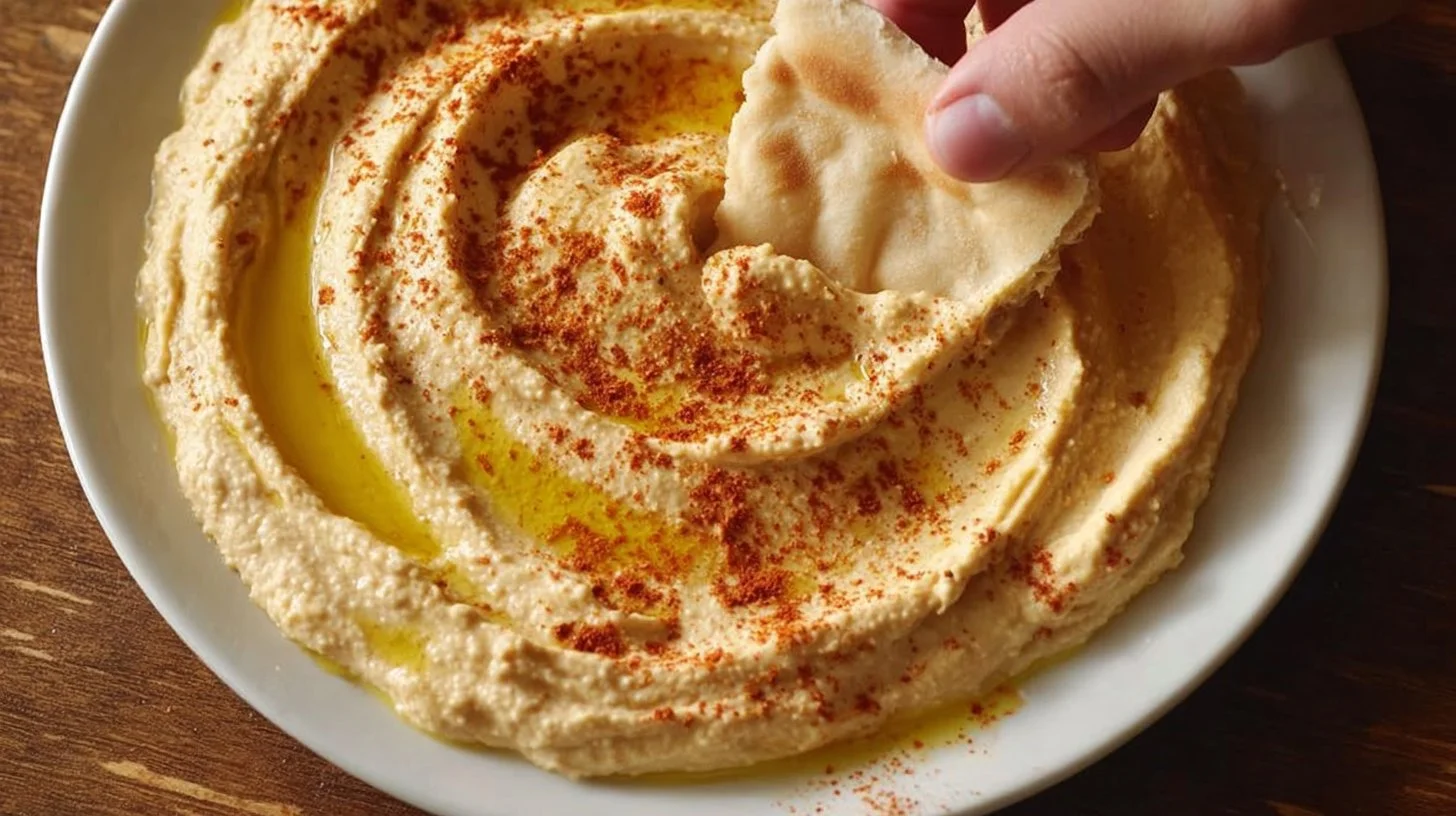
I first made hummus for a potluck and watched a tableful of skeptics go back for seconds. Creamy, bright, and endlessly adaptable, homemade hummus is one of those simple recipes that rewards a little attention with dazzling results. It’s a pantry-friendly spread that works as an appetizer, a snack, or a sandwich spread — and it’s easy to tweak to match any mood or meal.
Why you’ll love this dish
Homemade hummus is faster and more customizable than store-bought. You control the salt, the lemon, the garlic, and the texture. Make it in 10 minutes for a weeknight snack, or dress it up with roasted toppings for guests. It’s naturally vegan and gluten-free, protein-rich, and kid-friendly.
“This hummus vanished in minutes—silky, lemony, and perfectly balanced. A simple pantry miracle.”
Benefits at a glance:
- Quick: about 10–15 minutes active time.
- Budget-friendly: mostly canned pantry staples.
- Flexible: mild base to accept countless flavors.
- Healthy: plant protein, healthy fats, and fiber.
How to make Homemade Hummus
Step-by-step overview:
- Briefly blend the tahini and lemon to loosen the mixture and bring out the tahini’s flavor.
- Add chickpeas, garlic, cumin, salt, and olive oil; process until mostly smooth.
- Thin and smooth the hummus with a little water or reserved chickpea liquid until the texture is right.
- Taste and adjust acidity and salt. Serve with a drizzle of olive oil and your favorite garnish.
Ingredients
- 1 can (15 oz) chickpeas, drained and rinsed (reserve a few tablespoons of the can liquid/aquafaba if you like)
- 1/4 cup tahini
- 2 tablespoons olive oil, plus extra for serving
- 2 tablespoons lemon juice (about 1 lemon)
- 1 garlic clove, minced (or 1/2 tsp garlic paste)
- 1/2 teaspoon ground cumin
- Salt to taste (start with 1/2 teaspoon)
- Water as needed (or use reserved aquafaba)
Notes and substitutions:
- For extra-smooth hummus, use warm cooked chickpeas or peel the skins (see Tips).
- Tahini substitute: sunflower seed butter (use less if it’s saltier).
- Add 1–2 tbsp plain yogurt for a creamier, not-vegan version.
- For smokier flavor, add 1/4 tsp smoked paprika or a small pinch of cayenne.
Directions
- Put the tahini and lemon juice into a food processor. Pulse until thick and slightly whipped (about 30 seconds).
- Add the minced garlic, cumin, and salt. Pulse to combine and bloom the spices.
- Add half the chickpeas and half the olive oil. Process until partially broken down.
- Add the remaining chickpeas. Blend, scraping down the sides, until mostly smooth.
- With the processor running, add water or reserved aquafaba a tablespoon at a time until you reach a creamy, spreadable consistency.
- Taste and adjust: more lemon to brighten, more salt to sharpen, more olive oil for richness.
- Transfer to a bowl. Drizzle with olive oil and sprinkle paprika or chopped parsley if desired. Serve at room temperature or chilled.
How to serve Homemade Hummus
Best pairings:
- Warm pita or pita chips, toasted flatbread, or sliced baguette.
- Fresh veggies: cucumber, carrot sticks, bell pepper, radishes.
- As a sandwich spread for wraps, falafel, or grilled veggies.
- Top with olives, chopped roasted red peppers, za’atar, or a spoonful of harissa for a flavor boost.
Plating tip: create a shallow well in the center of the hummus to hold olive oil and toppings; the contrast of smooth hummus and textured garnish makes it look restaurant-worthy.
How to store
- Refrigerate: keep hummus in an airtight container for up to 5–7 days. Place a thin film of olive oil on top to help prevent drying.
- Freeze: freeze hummus in portioned airtight containers for up to 3 months. Thaw overnight in the refrigerator and stir well before serving. Texture may be slightly grainier after freezing.
- Food safety: do not leave hummus at room temperature for more than 2 hours (1 hour if >90°F/32°C). Always use clean utensils to scoop to avoid contamination.
Tips to make
- For extra-silky hummus: peel the chickpeas (pinch each between thumb and forefinger to pop the skin). It takes time but dramatically smooths texture.
- Use a high-speed food processor or blender and scrape sides frequently.
- Warm chickpeas blend more smoothly than cold ones. Microwave drained chickpeas for 30–60 seconds before blending, or use freshly cooked chickpeas.
- Add ice-cold water instead of room-temperature water for a lighter, fluffier texture.
- Blooming the tahini with lemon first prevents a bitter tahini finish and creates a creamier base.
- If hummus tastes flat, add a tiny pinch of baking soda or a little extra lemon to brighten it.
- If too thick, thin with water or aquafaba; if too loose, stir in a bit more tahini or a few mashed chickpeas.
Variations
- Roasted Red Pepper Hummus: fold in 1/2 cup roasted red peppers and a pinch of smoked paprika.
- Beet Hummus: add 1 small roasted beet for color and a touch of sweetness.
- Spicy Harissa Hummus: blend in 1–2 teaspoons harissa paste and garnish with chili oil.
- Herb Hummus: mix in parsley, cilantro, or dill for a green, fresh version.
- Lemon-Garlic Extra: double the lemon and garlic for a punchy dip.
- Creamy Avocado Hummus: substitute half the tahini with ripe avocado for a softer flavor.
- Gluten-free / vegan: the base recipe is naturally both; check toppings and sides.
FAQs
Q: Can I use dried chickpeas instead of canned?
A: Yes. Soak overnight, then simmer until very tender (about 1–1.5 hours). Save some cooking liquid to use instead of water for a silkier texture. For the creamiest hummus, cook chickpeas until they’re falling-apart soft and consider adding a pinch of baking soda while boiling to help soften the skins.
Q: Why is my hummus grainy or gritty?
A: Graininess usually comes from undercooked or cold chickpeas, not peeling them, or running the processor too briefly. Use warm, well-cooked chickpeas, peel for extra smoothness, and process longer, scraping down the sides. Adding ice-cold water while blending also helps create a velvety finish.
Q: How long does homemade hummus keep in the fridge?
A: Properly stored in an airtight container, hummus keeps 5–7 days. If it smells off, looks discolored, or has mold, discard it. Always use clean utensils to minimize contamination.
Q: Can I heat hummus?
A: Hummus is usually served chilled or at room temperature. You can warm small portions gently (briefly in a microwave at 50% power or over a double boiler) but prolonged heat can change texture and flavor. If reheating, stir in a splash of olive oil or water after warming to restore creaminess.
Q: Is hummus safe for babies and toddlers?
A: Hummus can be a good source of plant protein for older infants/toddlers. Avoid very young infants and consult your pediatrician about allergen introduction (tahini is sesame). For small children, reduce added salt and serve a thin smear or soft dip for supervised eating.
If you want, I can give a version scaled for larger crowds, a nut-free tahini substitute recipe, or a shopping checklist for a hummus party board. Which would help you next?
Print
Homemade Hummus
- Total Time: 10 minutes
- Yield: 4 servings
- Diet: Vegan
Description
Creamy, bright, and endlessly adaptable, homemade hummus is a pantry-friendly spread perfect for appetizers, snacks, or sandwich spreads.
Ingredients
- 1 can (15 oz) chickpeas, drained and rinsed (reserve a few tablespoons of the can liquid/aquafaba if you like)
- 1/4 cup tahini
- 2 tablespoons olive oil, plus extra for serving
- 2 tablespoons lemon juice (about 1 lemon)
- 1 garlic clove, minced (or 1/2 tsp garlic paste)
- 1/2 teaspoon ground cumin
- Salt to taste (start with 1/2 teaspoon)
- Water as needed (or use reserved aquafaba)
Instructions
- Put the tahini and lemon juice into a food processor. Pulse until thick and slightly whipped (about 30 seconds).
- Add the minced garlic, cumin, and salt. Pulse to combine and bloom the spices.
- Add half the chickpeas and half the olive oil. Process until partially broken down.
- Add the remaining chickpeas. Blend, scraping down the sides, until mostly smooth.
- With the processor running, add water or reserved aquafaba a tablespoon at a time until you reach a creamy, spreadable consistency.
- Taste and adjust: more lemon to brighten, more salt to sharpen, more olive oil for richness.
- Transfer to a bowl. Drizzle with olive oil and sprinkle paprika or chopped parsley if desired. Serve at room temperature or chilled.
Notes
For extra-smooth hummus, use warm cooked chickpeas or peel the skins. For a non-vegan version, add yogurt for creaminess. Adjust flavors as desired with smoked paprika or cayenne.
- Prep Time: 10 minutes
- Cook Time: 0 minutes
- Category: Appetizer
- Method: Blending
- Cuisine: Middle Eastern