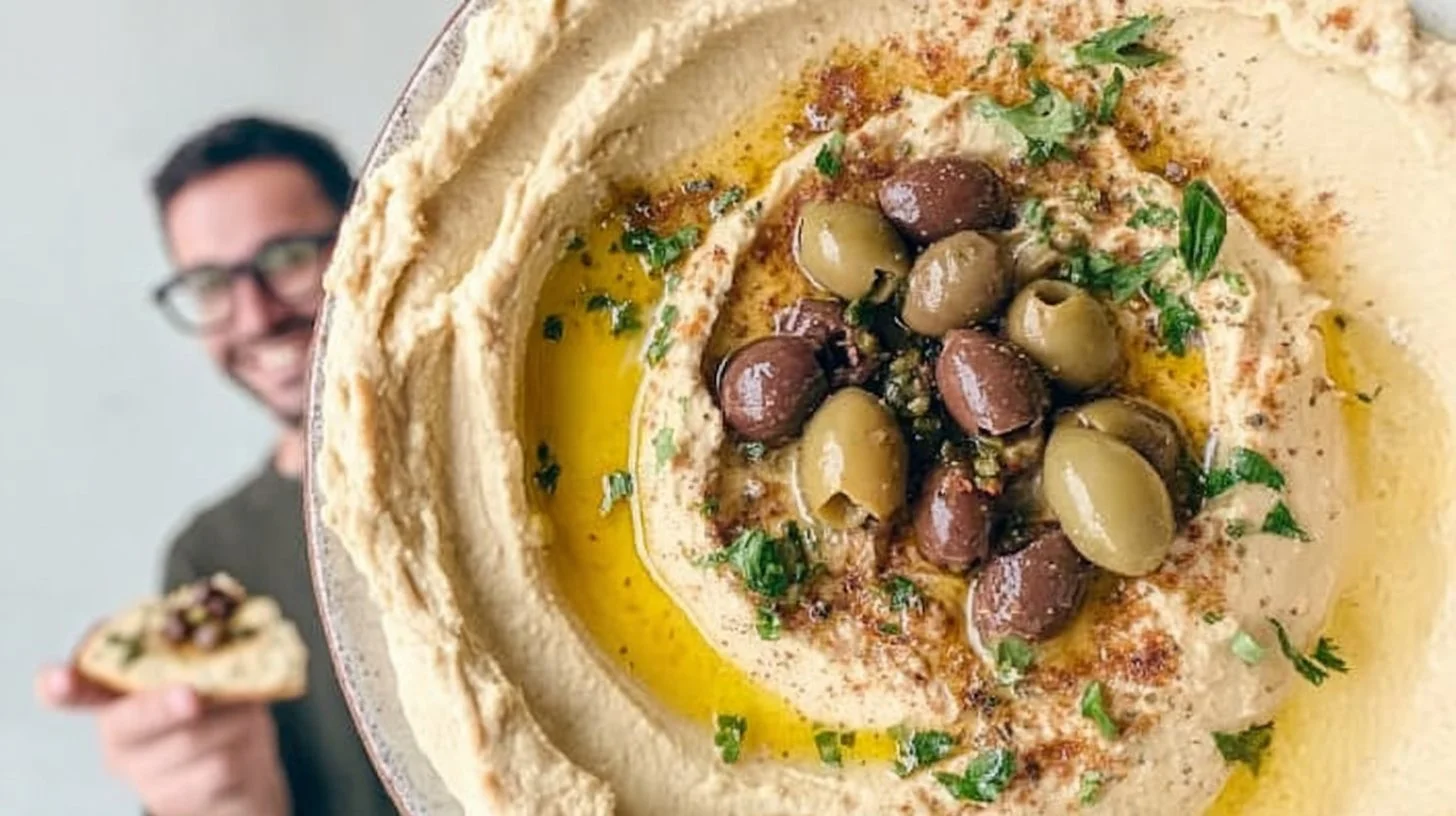
Homemade hummus is creamy, tangy, and endlessly adaptable — a simple dip that reliably disappears at parties, lifts weekday lunches, and makes weeknight dinners feel a little more thoughtful. It’s essentially mashed chickpeas blended with tahini, olive oil, lemon, and garlic, but the texture and balance of flavors are what turn pantry staples into something exceptional.
Why you’ll love this dish
Hummus is fast, nutritious, and crowd-pleasing. It keeps in the fridge for several days, travels well for picnics, and is naturally vegan and gluten-free. Make it to stretch a can of chickpeas into multiple meals, to control the sodium and oil compared with store brands, or simply because fresh hummus tastes brighter than anything from a tub.
“I made this for a family gathering and everyone kept asking for the recipe — silky, lemony, and just garlic-forward enough without overpowering. Will make again!” — a satisfied home cook
Step-by-step overview
- Soak and cook chickpeas if using dried; otherwise rinse canned chickpeas.
- Combine chickpeas, tahini, lemon juice, garlic, olive oil, and salt in a food processor.
- Blend until smooth, adding water or aquafaba to reach your desired consistency.
- Adjust lemon, salt, and garlic to taste. Serve with a drizzle of olive oil and a sprinkle of paprika or za’atar.
What you’ll need (Ingredients)
- 1 can (15 oz) chickpeas, drained and rinsed (or 1 cup dried chickpeas, soaked overnight and cooked)
- 2 tablespoons tahini (sesame paste; substitute sunflower seed butter for sesame allergy)
- 2 tablespoons olive oil (plus extra for serving)
- 1 lemon, juiced (about 2–3 tablespoons)
- 1 garlic clove (or 1–2, to taste; roasted garlic is a mellow alternative)
- Salt, to taste (start with 1/2 teaspoon)
- Water or aquafaba (liquid from canned chickpeas), as needed to thin
- Paprika or smoked paprika, for garnish (optional)
Notes: If using dried chickpeas, add a 1/2 teaspoon baking soda to the cooking water to help soften them faster. For a richer hummus, peel the skins from the chickpeas (see Tips).
Directions (step-by-step instructions)
- Prepare chickpeas. If using dried chickpeas, soak them overnight, then rinse and simmer in fresh water until very tender (about 1–1½ hours). If using canned chickpeas, drain and rinse well. For extra-smooth hummus, simmer canned chickpeas 10–15 minutes with a pinch of baking soda, then drain; this softens them further.
- Begin the blend. Add the chickpeas, tahini, olive oil, lemon juice, garlic, and a pinch of salt to a food processor.
- Process until combined. Pulse a few times to break down the mixture, then run the processor continuously.
- Thin and refine. With the processor running, add water or aquafaba a tablespoon at a time until the hummus reaches your preferred consistency. Scrape down the bowl as needed to blend evenly.
- Taste and adjust. Add more lemon for brightness, more salt for balance, or another small garlic clove if you prefer stronger garlic. Blend again briefly to incorporate.
- Serve. Spoon hummus into a shallow bowl, create a swirl on top, drizzle with olive oil, and dust with paprika or za’atar. Add whole chickpeas, pine nuts, or chopped herbs if desired.
Best ways to enjoy it (How to serve)
- Classic: Serve with warm pita bread, sliced cucumber, carrot sticks, and bell peppers.
- Sandwich spread: Use as a layer in wraps or sandwiches with roasted vegetables or grilled chicken.
- Bowl topper: Dollop onto grain bowls, roasted vegetables, or shakshuka for creaminess.
- Party platter: Arrange with olives, feta (if not vegan), roasted red peppers, and warm flatbreads.
- Creative: Swirl in pesto for a basil hummus, or top with za’atar and lemon zest for a bright finish.
For plating, spread into a shallow dish and make a center well for olive oil; contrast the smooth hummus with a sprinkle of whole chickpeas or toasted pine nuts for texture.
Storage and reheating tips
- Refrigerate: Store hummus in an airtight container in the refrigerator. Eat within 4–5 days for best quality and safety.
- Freeze: Transfer hummus to a freezer-safe container, leaving some headspace; freeze up to 3 months. Thaw overnight in the fridge and stir well before serving (texture may loosen slightly).
- Food safety: Refrigerate within 2 hours of serving. If hummus develops an off smell, mold, or a slimy texture, discard it.
Note: Hummus is typically eaten cold or at room temperature; reheating is not necessary, though you can warm it gently in a saucepan or microwave if you prefer.
Helpful cooking tips
- For the silkiest texture: Peel the skins from chickpeas by rubbing them between your hands or between two towels after cooking or rinsing. It’s fiddly but makes a noticeable difference.
- Use ice-cold water or aquafaba while blending; the cold liquid emulsifies the tahini and yields a lighter, creamier result.
- Quality tahini matters. A runny, pale tahini (not overly bitter) produces better flavor and smoother texture. Stir the tahini jar before measuring.
- If hummus tastes bitter (from tahini), add more lemon juice and a pinch of sugar or extra salt to balance.
- For a roast-garlic flavor: Roast several garlic cloves until soft and swap for raw garlic; this gives a mellow, sweet garlic note.
- Boost volume without changing flavor: Use part aquafaba instead of water. It helps emulsify and keeps hummus airy.
Creative twists (Variations)
- Roasted red pepper hummus: Add 1/2 cup roasted red peppers to the food processor.
- Smoky chipotle hummus: Blend in 1 chipotle in adobo (or more to taste) for heat and smoke.
- Herbed hummus: Add a handful of parsley, cilantro, or basil for a green version.
- Beet hummus: Roast or steam one small beet, then blend for a sweet, vivid-pink hummus.
- High-protein: Stir in 2 tablespoons of Greek yogurt (not vegan) for extra creaminess and protein.
- Tahini-free: Use 2 tablespoons sunflower seed butter or blanched almond butter if avoiding sesame.
FAQs (Your questions answered)
Q: Can I make hummus without a food processor?
A: Yes. Use a high-speed blender, or mash chickpeas vigorously with a potato masher and whisk in the other ingredients; the texture will be chunkier. A stand mixer with a paddle attachment can work too but may need more liquid.
Q: How long does homemade hummus keep in the fridge?
A: Stored in an airtight container, homemade hummus keeps 4–5 days. Always use a clean spoon to avoid introducing bacteria, and discard if you see mold or off smells.
Q: Why is my hummus grainy or chalky?
A: Graininess can come from undercooked chickpeas or poor emulsification. Cook dried chickpeas until very tender, simmer canned chickpeas briefly to soften them, or peel the skins. Also add liquid gradually and blend longer for smoothness.
Q: Can I use the aquafaba (chickpea liquid) in the recipe?
A: Yes. Aquafaba replaces water or oil in small amounts and helps make hummus lighter and more emulsified. It’s also a great vegan binder.
Q: Is hummus healthy?
A: Hummus is a nutritious source of plant protein, fiber, and healthy fats from olive oil and tahini. Portion size matters — a couple of tablespoons is a sensible snack portion, and using less oil lowers calories.
If you have other specific dietary needs or want a recipe scaled to a large party, tell me how many servings you need and I’ll adjust the ingredients and timing.
Print
Creamy Homemade Hummus
- Total Time: 105 minutes
- Yield: 4 servings
- Diet: Vegan
Description
A creamy, tangy homemade hummus made with chickpeas, tahini, olive oil, and garlic, perfect for dips and spreads.
Ingredients
- 1 can (15 oz) chickpeas, drained and rinsed (or 1 cup dried chickpeas, soaked overnight and cooked)
- 2 tablespoons tahini
- 2 tablespoons olive oil (plus extra for serving)
- 1 lemon, juiced (about 2–3 tablespoons)
- 1 garlic clove (or 1–2, to taste)
- Salt, to taste (start with 1/2 teaspoon)
- Water or aquafaba, as needed to thin
- Paprika or smoked paprika, for garnish (optional)
Instructions
- Prepare chickpeas. If using dried chickpeas, soak them overnight, then rinse and simmer in fresh water until very tender (about 1–1½ hours). If using canned chickpeas, drain and rinse well. For extra-smooth hummus, simmer canned chickpeas 10–15 minutes with a pinch of baking soda, then drain.
- Begin the blend. Add the chickpeas, tahini, olive oil, lemon juice, garlic, and a pinch of salt to a food processor.
- Process until combined. Pulse a few times to break down the mixture, then run the processor continuously.
- Thin and refine. With the processor running, add water or aquafaba a tablespoon at a time until the hummus reaches your preferred consistency. Scrape down the bowl as needed.
- Taste and adjust. Add more lemon for brightness, salt for balance, or more garlic if you prefer stronger garlic. Blend again briefly.
- Serve. Spoon hummus into a shallow bowl, create a swirl on top, drizzle with olive oil, and dust with paprika or za’atar.
Notes
For the silkiest texture, peel the skins from chickpeas after cooking or rinsing. Use ice-cold water or aquafaba while blending for a lighter result.
- Prep Time: 15 minutes
- Cook Time: 90 minutes
- Category: Dip
- Method: Blending
- Cuisine: Middle Eastern