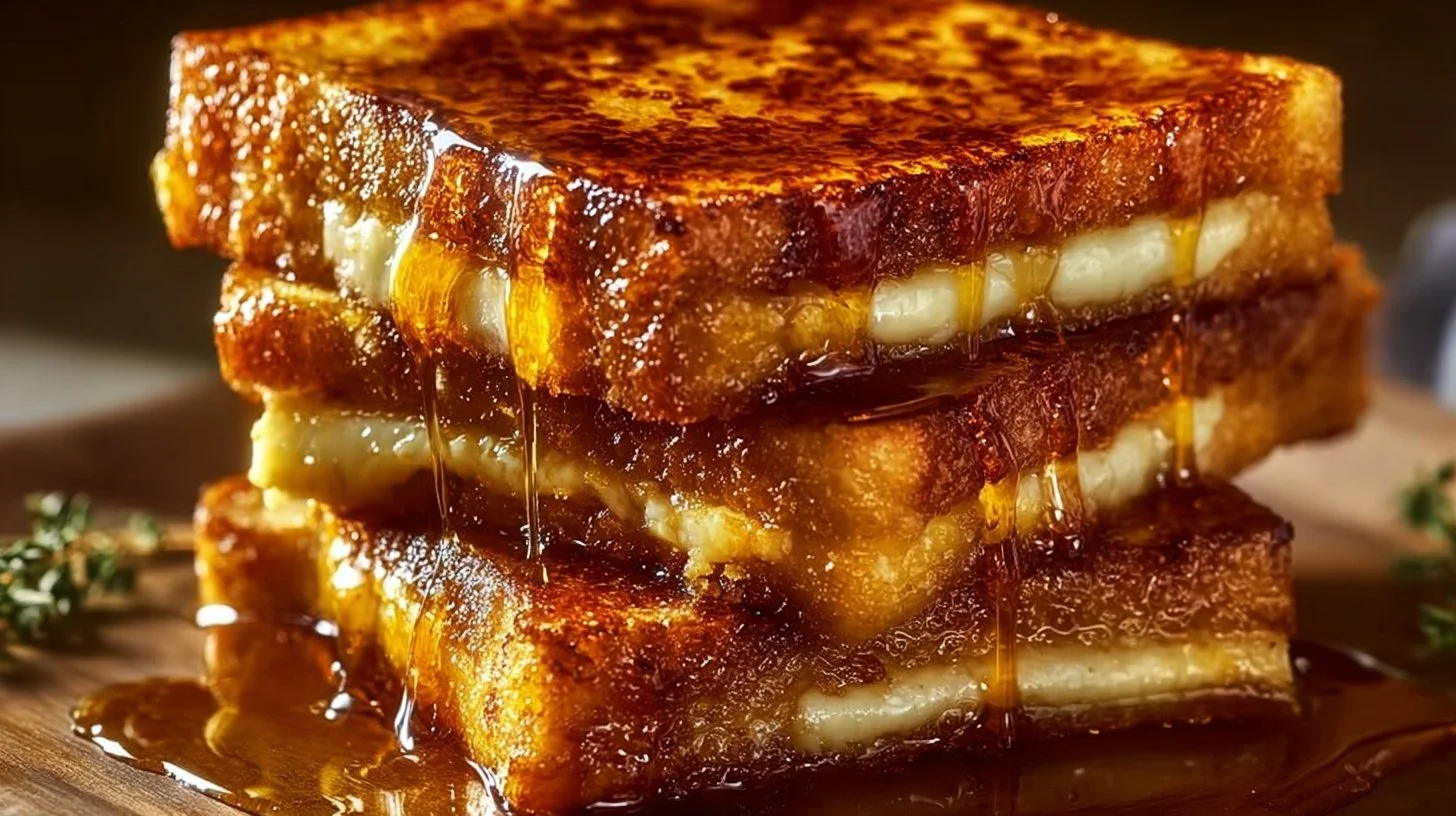
The first time I flipped a piece of this French toast over to reveal that glossy, caramelized brown sugar coating underneath, I understood why this recipe has become a holiday morning tradition for thousands of families. Unlike regular French toast that requires you to stand at the stove flipping slice after slice, this overnight casserole version lets you do all the work the night before. The bread soaks in a rich custard spiked with vanilla and orange liqueur while a buttery caramel sauce forms the base, and when it bakes the next morning, you get crispy, custardy, impossibly decadent French toast that tastes like dessert but works perfectly for breakfast. It’s become my go-to for Christmas morning, Easter brunch, and any time I want to impress guests without the morning stress.
Why You’ll Love This Recipe
This crème brûlée French toast casserole is a game-changer for anyone who hosts holiday brunches or feeds overnight guests. The make-ahead nature means you assemble everything the night before and simply bake it in the morning while everyone’s still waking up. The caramel-like sauce made from butter, brown sugar, and corn syrup creates a luxurious coating that’s reminiscent of actual crème brûlée but much easier to achieve. The overnight soak transforms ordinary French bread into custardy perfection without any sogginess—that long rest allows the bread to absorb just the right amount of egg mixture. The hint of orange liqueur adds sophistication, though it’s easily omitted or substituted if you don’t keep it on hand. This recipe feeds six people generously, making it ideal for small gatherings, and it’s rich enough that a single slice feels truly indulgent.
“Have made this recipe a few times and is always perfect. The caramel that forms on the bottom is SO good. Not soggy at all. This is BY FAR the best recipe for oven-baked French toast I’ve tried over the years!”
The Cooking Process Explained
This overnight French toast casserole starts with creating a luscious caramel base. You’ll melt butter with brown sugar and corn syrup until the sugar dissolves, then pour this mixture into your baking dish to form the foundation. Thick slices of French bread (with crusts removed for a more refined texture) get arranged in a single layer over the caramel. The custard comes together by whisking eggs with half-and-half, vanilla extract, orange liqueur, and a pinch of salt—this rich mixture gets poured over the bread. The assembled dish then needs to chill for at least 8 hours or overnight, giving the bread time to soak up all that custardy goodness. The next morning, you’ll bring the dish to room temperature briefly, then bake it uncovered at 350°F for 35-40 minutes until it’s puffed, golden brown, and beautifully caramelized. Many home cooks flip the pieces and broil them briefly for extra caramelization on top.
Key Ingredients
For the caramel base:
- ½ cup unsalted butter
- 1 cup packed brown sugar
- 2 tablespoons corn syrup (some cooks substitute maple syrup)
For the bread and custard:
- 6 slices French bread, cut 1 inch thick (crusts removed, or leave them on for heartier texture)
- 5 large eggs (many reviewers recommend reducing to 4 for less “eggy” texture)
- 1½ cups half-and-half cream (whole milk or even eggnog work as substitutes)
- 1 teaspoon vanilla extract
- 1 teaspoon orange liqueur like Grand Marnier (Triple Sec or orange juice work as substitutes; can be omitted)
- ¼ teaspoon salt
Bread options: French bread is classic, but challah, brioche, country white bread, cinnamon bread, or even croissants all work wonderfully.
Optional additions: Ground cinnamon for sprinkling, orange zest for extra citrus flavor
How to Prepare It
- Make the caramel base: In a small saucepan over medium heat, melt the butter. Add the brown sugar and corn syrup, stirring continuously until the sugar completely dissolves and the mixture is smooth.
- Prepare the baking dish: Pour the caramel mixture into a 9×13-inch baking dish, spreading it evenly across the bottom.
- Prep the bread: Remove the crusts from your French bread slices (or leave them on if you prefer). Arrange the bread slices in a single layer in the baking dish over the caramel. You may be able to fit 8 slices depending on their size—pack them snugly.
- Make the custard: In a medium bowl, whisk together the eggs, half-and-half, vanilla extract, orange liqueur, and salt until well combined and slightly frothy.
- Soak the bread: Pour the custard mixture evenly over the bread slices, making sure all pieces get coated. Press down gently on the bread to help it absorb the liquid.
- Refrigerate overnight: Cover the baking dish tightly with plastic wrap or aluminum foil. Refrigerate for at least 8 hours, or overnight. This soaking time is crucial for the perfect texture.
- Bring to room temperature: The next morning, remove the dish from the refrigerator about 30 minutes before baking to take the chill off. Meanwhile, preheat your oven to 350°F.
- Bake uncovered: Remove the cover and place the dish in the preheated oven. Bake for 35-40 minutes, until the French toast is puffed up, lightly browned, and set in the center.
- Optional broiling step: For extra caramelization, flip each piece of French toast over using a spatula (the caramel side should now be on top). Place the dish under the broiler for 2-3 minutes, watching carefully, until the tops are golden brown and caramelized. Only do this if using a metal pan, not glass.
- Serve immediately: Let the casserole rest for a few minutes, then serve the French toast caramel-side up.
How to Plate and Pair
Serve this decadent French toast with the caramelized side facing up for maximum visual impact—that glossy brown sugar coating is too beautiful to hide. A dusting of powdered sugar and a sprinkle of cinnamon add extra elegance. Fresh berries (strawberries, blueberries, or raspberries) provide color and a tart contrast to the sweet richness. One reviewer’s “drunken strawberries”—strawberries macerated overnight with Grand Marnier and sugar—make an especially sophisticated pairing. Whipped cream or a dollop of crème fraîche balances the sweetness. For a complete brunch spread, serve alongside crispy bacon or breakfast sausage, fresh fruit salad, and scrambled eggs for those who want something savory. Coffee, fresh-squeezed orange juice, or mimosas round out the meal perfectly.
The Best Way to Save Extras
Store leftover French toast in an airtight container in the refrigerator for up to 3 days. The caramel sauce will firm up when cold but softens again when reheated. Reheat individual portions in the microwave for 45-60 seconds, or warm larger portions in a 300°F oven for 10-15 minutes until heated through. For best results, reheat under the broiler for a minute or two to re-crisp the caramelized topping. This dish doesn’t freeze particularly well due to the custard texture, so it’s best enjoyed fresh or within a few days of baking. If you need to make it further in advance, prepare it through the overnight soaking step and keep it refrigerated for up to 24 hours before baking—just bake it fresh when you’re ready to serve.
Tricks for Success
- Cut bread to proper thickness: One-inch thick slices (or even 1½ inches) are ideal. Too thin and they’ll be soggy; too thick and they won’t absorb enough custard.
- Reduce eggs for less eggy texture: Many reviewers found 5 eggs too much. Try using just 4 eggs and reducing the half-and-half to 1 cup for a better custard-to-bread ratio.
- Don’t skip the overnight soak: At least 8 hours is necessary for the bread to properly absorb the custard. Anything less and you’ll have uneven soaking.
- Bring to room temperature before baking: Letting the cold dish sit out for 20-30 minutes ensures more even cooking throughout.
- Fully dissolve the brown sugar: When making the caramel base, stir until you can’t feel any sugar granules. This prevents a gritty texture.
- Try the flip-and-broil technique: After baking, flip the pieces over and broil briefly for a restaurant-quality caramelized top. Watch closely to prevent burning, and only use metal pans under the broiler.
- Add orange zest: Grating fresh orange zest into the custard intensifies the citrus flavor beautifully.
- Sprinkle with cinnamon: A light dusting of cinnamon before baking adds warmth and pairs perfectly with the caramel.
Creative Twists
Different breads: Swap French bread for challah, brioche, cinnamon-raisin bread, country white bread, or even croissants cut in half. Each creates a different texture and flavor profile.
Layered version: Create 2-3 layers of bread with cream cheese and jam between layers for a stuffed French toast effect. Increase custard slightly to accommodate extra bread.
Holiday eggnog version: Replace the half-and-half with eggnog for a festive Christmas morning twist that adds spiced richness.
Reduce sweetness: Use ¾ cup brown sugar instead of a full cup, and reduce corn syrup to 1 tablespoon if you prefer less caramel intensity.
Maple version: Replace corn syrup with pure maple syrup for a different flavor profile that’s equally delicious.
Berry studded: Add fresh or frozen blueberries scattered between the bread slices before pouring the custard.
Nutty topping: Sprinkle chopped pecans or sliced almonds over the caramel before adding the bread for extra crunch and flavor.
Citrus variations: Try other citrus liqueurs or extracts—lemon, lime, or even almond extract would all be interesting variations.
Your Questions Answered
Can I skip the orange liqueur?
Absolutely! Many reviewers omit it or substitute Triple Sec (which is less expensive), orange juice, orange extract, or additional vanilla. The recipe still works beautifully without it, though the liqueur does add a sophisticated depth of flavor.
Do I have to remove the bread crusts?
No, leaving the crusts on is perfectly fine and actually helps the bread hold its structure better. Many reviewers specifically recommend leaving them on for a heartier, less soggy texture. The original recipe calls for removal for a more refined presentation, but it’s optional.
Why is my French toast soggy?
This usually happens if the bread is sliced too thin, if you use too much custard, or if the bread doesn’t have time to properly absorb the liquid. Use thick 1-inch slices, consider reducing to 4 eggs and 1 cup of half-and-half, and make sure to soak overnight. The bread should be custardy but still hold its shape.
Can I make this without the overnight soak?
While the overnight soak is highly recommended for the best texture, one reviewer had success coating the bread in the caramel and letting it soak in the custard for just 15 minutes before cooking. However, the texture won’t be quite as custardy and perfect as the overnight version.
How do I prevent the caramel from being too sweet?
Reduce the brown sugar to ¾ cup and use only 1 tablespoon of corn syrup. The dish is intentionally rich and sweet, but these adjustments will tone it down while still maintaining that signature caramel coating.
Can I use a glass baking dish?
Yes, a 9×13-inch glass baking dish works perfectly for the initial baking. However, if you want to flip and broil the French toast at the end for extra caramelization, you must transfer to a metal pan or use a metal pan from the start, as glass can shatter under the broiler.
How many slices of bread actually fit?
While the recipe calls for 6 slices, many reviewers successfully fit 8-10 slices depending on the size of their bread and how tightly they pack them. More bread means more servings, so feel free to add as many as you can fit in a single layer.
What’s the best way to reheat this?
Individual slices reheat well in the microwave for 45-60 seconds. For that fresh-baked texture, reheat under the broiler for 1-2 minutes to re-crisp and re-caramelize the topping. This makes day-old French toast taste nearly as good as fresh.
Print
Overnight Crème Brûlée French Toast Casserole
- Total Time: 495 minutes
- Yield: 6 servings
- Diet: Vegetarian
Description
This overnight French toast casserole is soaked in a rich custard, offers a decadent caramel layer, and is perfect for holiday brunches without the morning stress.
Ingredients
- ½ cup unsalted butter
- 1 cup packed brown sugar
- 2 tablespoons corn syrup (or maple syrup)
- 6 slices French bread, cut 1 inch thick (crusts removed)
- 5 large eggs (use 4 for less eggy texture)
- 1½ cups half-and-half cream (or substitutes)
- 1 teaspoon vanilla extract
- 1 teaspoon orange liqueur (or substitutes)
- ¼ teaspoon salt
Instructions
- In a small saucepan over medium heat, melt the butter. Add the brown sugar and corn syrup, stirring continuously until completely dissolved.
- Pour the caramel mixture into a 9×13-inch baking dish, spreading it evenly across the bottom.
- Remove the crusts from the French bread and arrange the slices in a single layer over the caramel.
- In a bowl, whisk together the eggs, half-and-half, vanilla extract, orange liqueur, and salt until well combined.
- Pour the custard mixture evenly over the bread, pressing down gently to ensure all pieces are coated.
- Cover tightly with plastic wrap or aluminum foil and refrigerate for at least 8 hours or overnight.
- The next morning, bring the dish to room temperature for about 30 minutes. Preheat your oven to 350°F.
- Bake uncovered for 35-40 minutes until puffed and golden brown.
- For extra caramelization, flip each piece over and broil for 2-3 minutes, watching closely.
- Serve immediately, caramel-side up.
Notes
For best results, ensure to soak overnight and use thick slices of bread. Optional: sprinkle with powdered sugar and cinnamon before serving.
- Prep Time: 15 minutes
- Cook Time: 40 minutes
- Category: Breakfast
- Method: Baking
- Cuisine: French