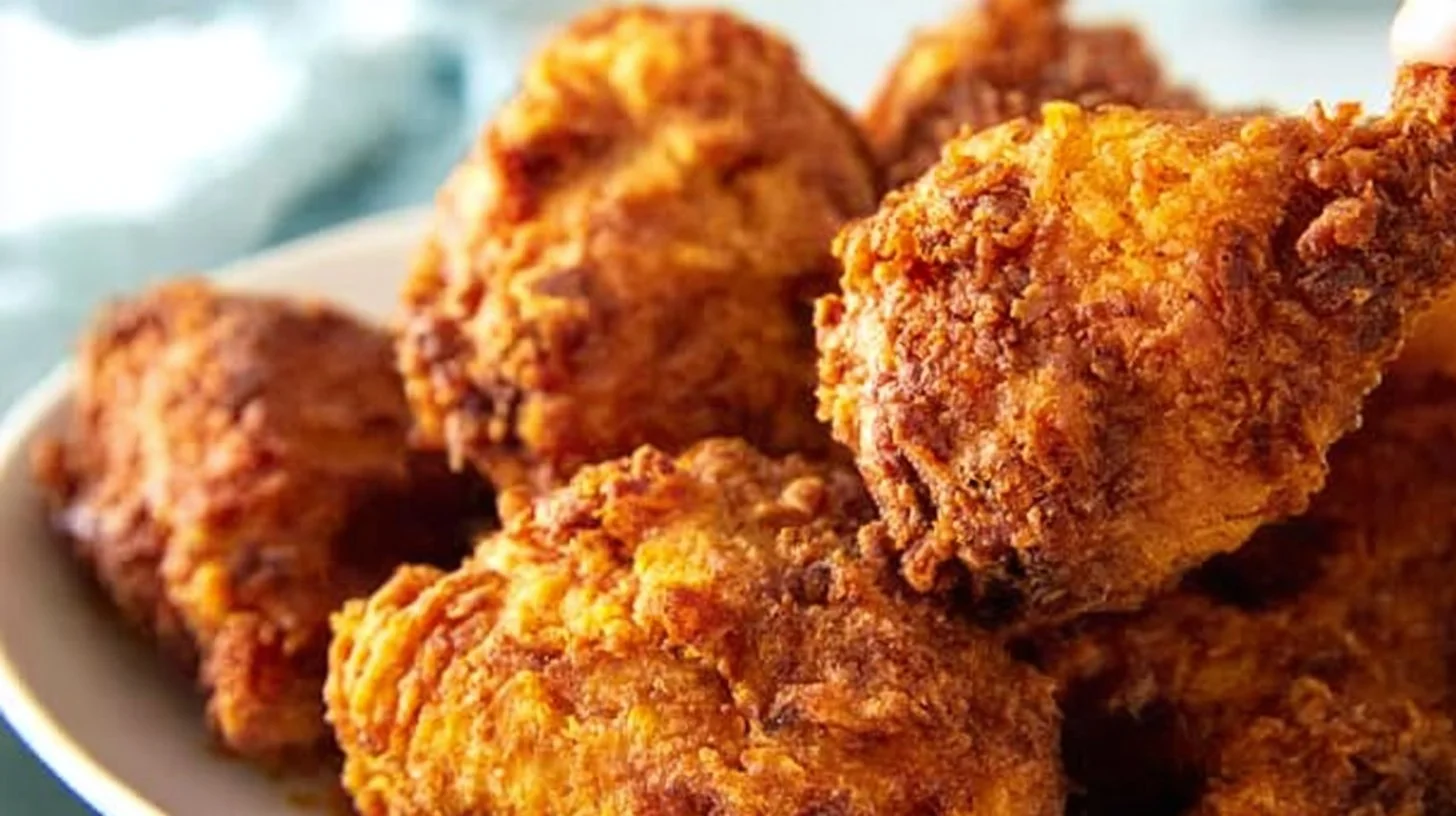
I still remember the first time I soaked chicken in buttermilk and watched the batter puff and bubble into the crispiest crust—my kitchen smelled like a Southern diner for hours. Buttermilk fried chicken is that comforting, crunchy, juicy classic: golden on the outside, tender and flavorful inside. It’s the kind of dish people make for lazy weekends, family dinners, and whenever you want food that somehow feels both celebratory and deeply homey.
Why you’ll love this dish
This recipe gives you reliably crispy skin and moist meat thanks to a buttermilk soak that tenderizes and seasons from the inside out. It’s forgiving for busy cooks (marinate overnight), scales easily for company, and pairs beautifully with simple sides like biscuits, slaw, or mashed potatoes. Make it when you want a crowd-pleasing centerpiece or a nostalgic weeknight winner.
"Best weekend dinner—crunchy shell and juicy meat every time. My guests asked for the recipe before dessert." — a regular tester
How to make Buttermilk Fried Chicken
Step-by-step overview
- Brine/marinate the chicken in buttermilk and spices to tenderize and infuse flavor. Overnight is best but 2 hours works.
- Season and dredge the pieces in a seasoned flour mixture. For extra crunch, double-dredge (buttermilk → flour → buttermilk → flour).
- Heat oil to about 350°F (175°C), then fry in batches without crowding so the crust stays crisp.
- Drain on a wire rack, confirm internal temperature 165°F (74°C), rest briefly, and serve hot.
This overview prepares you for a straightforward process: soak, flour, fry, rest.
Ingredients
What you’ll need (serves 4–6)
- 8 bone-in chicken pieces (legs, thighs, breasts, or a mix). About 3–4 lb / 1.4–1.8 kg.
- 4 cups (1 L) buttermilk (see substitutions below)
- 2 teaspoons kosher salt (for the marinade)
- 1 tablespoon hot sauce (optional, for the marinade)
- 2 cups (260 g) all-purpose flour
- 1 teaspoon baking powder (optional — helps lighten the crust)
- 1 tablespoon kosher salt (or to taste) for the flour
- 2 teaspoons freshly ground black pepper
- 1 teaspoon garlic powder
- 1 teaspoon onion powder
- 1 teaspoon smoked or sweet paprika
- 1/2 teaspoon cayenne pepper (optional, for heat)
- Neutral oil for frying (vegetable, canola, or peanut oil), enough for a 2–3 inch / 5–8 cm deep fryer pan—about 4–6 cups / 1–1.5 L
Short notes / substitutions
- No buttermilk? Stir 1 tablespoon white vinegar or lemon juice into 1 cup milk, let sit 5–10 minutes. Use the same volume.
- For gluten-free, replace flour with a 1:1 baking blend or rice flour + cornstarch (see Variations).
- Use skin-on, bone-in pieces for best flavor and juiciness. Boneless breasts or thighs work but have shorter cook times.
Directions
Step-by-step instructions
Prep the chicken and marinade.
- Pat the chicken dry with paper towels. Make small shallow cuts in the thickest parts (optional) to help seasoning penetrate.
- In a large bowl or resealable bag, combine buttermilk, 2 teaspoons salt, and hot sauce if using. Submerge the chicken, cover, and refrigerate for at least 2 hours, preferably overnight.
Make the seasoned flour.
- In a wide shallow bowl, whisk together flour, baking powder (if using), 1 tablespoon salt, pepper, garlic powder, onion powder, paprika, and cayenne.
Dredge the chicken.
- Remove a piece from the buttermilk, letting excess drip off. Dredge thoroughly in the flour mixture, pressing the flour into the skin.
- For extra-crispy results: dip back into the buttermilk briefly and dredge again in the flour (double dredge). Place coated pieces on a wire rack and let sit 15–20 minutes—this helps the crust adhere.
Heat the oil.
- Pour oil into a heavy skillet or Dutch oven to a depth of 2–3 inches. Heat to 350°F (175°C). A deep-fry thermometer is recommended. If you don’t have one, test by dropping a pinch of flour into the oil—if it sizzles steadily and browns slowly, it’s ready.
Fry the chicken.
- Fry in batches without crowding. Cook bone-in pieces about 12–18 minutes, turning occasionally for even color, until golden and the internal temperature reaches 165°F (74°C) near the bone. Adjust time for piece size—dark meat may take longer, small breasts less.
- Keep oil between 325–350°F (163–175°C) by lowering heat between batches. If oil gets too hot, the outside will burn before the inside cooks.
Drain and rest.
- Transfer chicken to a wire rack set over a sheet pan to drain. Rest 5–10 minutes before serving. Resting locks in juices and lets the crust set.
How to serve Buttermilk Fried Chicken
Best ways to enjoy it
- Classic plate: fried chicken, mashed potatoes with gravy, and buttermilk biscuits.
- Lighter pairing: coleslaw, pickled cucumbers, and a lemony green salad.
- Sandwich idea: crisp chicken thigh on a soft bun with slaw and a drizzle of hot honey.
- Sauces: honey, hot honey, country gravy, spicy mayo, or a tangy BBQ sauce are all excellent.
For a crowd, serve on a large platter with lemon wedges, extra napkins, and small bowls of pickles.
How to store
Storage and reheating tips
- Refrigerate: Cool to room temperature (no more than 2 hours), then store in an airtight container in the fridge for 3–4 days.
- Freeze: Wrap pieces individually in plastic wrap, then place in a freezer bag or airtight container for up to 3 months. Thaw overnight in the refrigerator before reheating.
- Reheat for best texture: Preheat oven to 400°F (200°C). Put chicken on a wire rack over a baking sheet and reheat 12–18 minutes until hot and crisp. You can spritz a little oil on the crust before reheating to refresh crunch.
- Food safety: Always reheat to an internal temperature of 165°F (74°C). Avoid leaving cooked chicken at room temperature for longer than 2 hours (1 hour if above 90°F / 32°C).
Tips to make
Helpful cooking tips
- Use a thermometer. Oil temp and internal doneness matter more than exact times. Keep oil around 325–350°F (163–175°C).
- Don’t overcrowd the pan. Too many pieces drop the oil temp and cause soggy crusts.
- Let coated chicken rest on a rack before frying. It helps the coating adhere and creates a better crust.
- For even browning, turn pieces gently with tongs every few minutes instead of flipping constantly.
- Drain on a wire rack instead of paper towels; paper traps steam and softens the crust.
- If the crust browns too quickly, lower the heat and finish cooking covered with a vent (tilted lid) or move to a 350°F (175°C) oven to finish through without burning.
Variations
Creative twists
- Nashville-style: Add more cayenne and cayenne paste to the dredge and finish with a butter-chili glaze brushed on after frying.
- Korean-inspired: After frying, toss in a sticky sauce made from gochujang, soy, honey, garlic, and sesame oil; sprinkle with toasted sesame seeds.
- Herb & lemon: Add 1 tablespoon finely chopped thyme and 1 tablespoon lemon zest to the flour for a brighter flavor.
- Gluten-free: Use a mix of rice flour + cornstarch or a certified gluten-free all-purpose blend. Add xanthan gum per blend instructions if needed.
- Air-fryer method: Spray well-coated pieces with oil and air-fry at 375°F (190°C) for 18–25 minutes, flipping halfway, until internal temp reaches 165°F (74°C). Results are a little lighter but still tasty.
FAQs
Common questions
Q: How long should I marinate the chicken?
A: At least 2 hours, but overnight (8–24 hours) is ideal. The longer soak tenderizes the meat and intensifies flavor. Avoid more than 48 hours, which can overly soften the texture.
Q: What’s the best oil to use for frying?
A: Use a neutral oil with a high smoke point such as vegetable, canola, or peanut oil. Avoid strong-flavored oils that will affect the taste.
Q: How do I know the chicken is cooked through?
A: The safe internal temperature is 165°F (74°C). Use an instant-read thermometer inserted into the thickest part without touching bone. Juices should run clear.
Q: Can I bake instead of frying?
A: Yes. For a crisp baked version, preheat oven to 425°F (220°C), place coated pieces on a wire rack over a baking sheet, spray with oil, and bake 35–45 minutes until golden and 165°F internal. The crust will be less greasy but also slightly different in texture.
Q: What if I don’t have buttermilk?
A: Mix 1 tablespoon of white vinegar or lemon juice into 1 cup of milk and let sit 5–10 minutes. This gives acidity similar to buttermilk that helps tenderize.
Q: Can I use boneless skinless chicken?
A: You can. Reduce the frying time; boneless breasts or thighs will cook faster (check internal temp). Bone-in, skin-on pieces give the juiciest results.
If you want, I can scale this recipe for a specific number of servings, create a printable grocery list, or give a timed plan for cooking for a party. Which would help you most?
Print
Buttermilk Fried Chicken
- Total Time: 45 minutes
- Yield: 4–6 servings
- Diet: None
Description
A comforting, crunchy, and juicy classic buttermilk fried chicken that is golden on the outside and tender on the inside.
Ingredients
- 8 bone-in chicken pieces (legs, thighs, breasts, or a mix; about 3–4 lb / 1.4–1.8 kg)
- 4 cups (1 L) buttermilk
- 2 teaspoons kosher salt (for the marinade)
- 1 tablespoon hot sauce (optional, for the marinade)
- 2 cups (260 g) all-purpose flour
- 1 teaspoon baking powder (optional)
- 1 tablespoon kosher salt (or to taste) for the flour
- 2 teaspoons freshly ground black pepper
- 1 teaspoon garlic powder
- 1 teaspoon onion powder
- 1 teaspoon smoked or sweet paprika
- 1/2 teaspoon cayenne pepper (optional)
- Neutral oil for frying (about 4–6 cups / 1–1.5 L)
Instructions
- Prep the chicken and marinade: Pat the chicken dry with paper towels. Make small shallow cuts in the thickest parts (optional) to help seasoning penetrate. In a large bowl or resealable bag, combine buttermilk, salt, and hot sauce if using. Submerge the chicken, cover, and refrigerate for at least 2 hours, preferably overnight.
- Make the seasoned flour: In a wide shallow bowl, whisk together flour, baking powder, salt, pepper, garlic powder, onion powder, paprika, and cayenne.
- Dredge the chicken: Remove a piece from the buttermilk, letting excess drip off. Dredge thoroughly in the flour mixture. For extra-crispy results, double dredge by dipping back into the buttermilk and then dredging in flour again. Let sit on a wire rack for 15–20 minutes.
- Heat the oil: Pour oil into a heavy skillet or Dutch oven to a depth of 2–3 inches. Heat to 350°F (175°C).
- Fry the chicken: Fry in batches without crowding for about 12–18 minutes, turning occasionally until golden and the internal temperature reaches 165°F (74°C).
- Drain and rest: Transfer chicken to a wire rack to drain and rest for 5–10 minutes before serving.
Notes
For extra crunch, consider double-dredging the chicken. Use a thermometer to ensure the oil temperature remains between 325–350°F (163–175°C).
- Prep Time: 15 minutes
- Cook Time: 30 minutes
- Category: Main Course
- Method: Frying
- Cuisine: Southern